

Five essential tips for baby care
A quick-start guide for new parents

1. Create a consistent feeding routine
Newborns typically eat every 2–3 hours, but every baby has a slightly different rhythm. Look for hunger cues like rooting, smacking lips, or increased alertness. Breastfed newborns may cluster feed, this is normal and helps with milk supply. A simple feeding log can help you track patterns and reduce stress.



2. Prioritize safe sleep habits
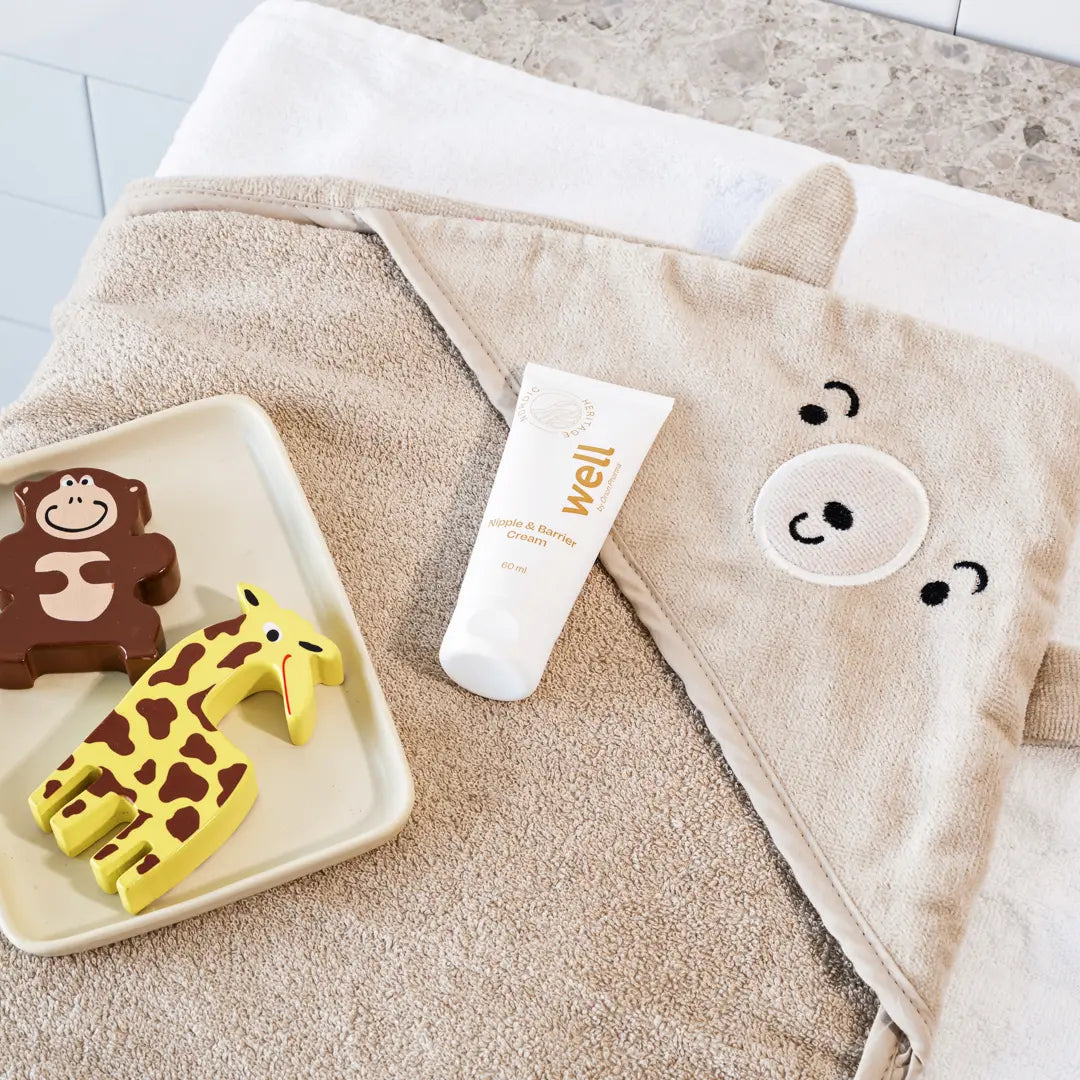
Babies sleep a lot, and how they sleep matters. Always place your baby on their back for naps and nighttime sleep. Keep the crib free from pillows, toys, and loose blankets to reduce risks.

3. Keep baby's skin clean and protected
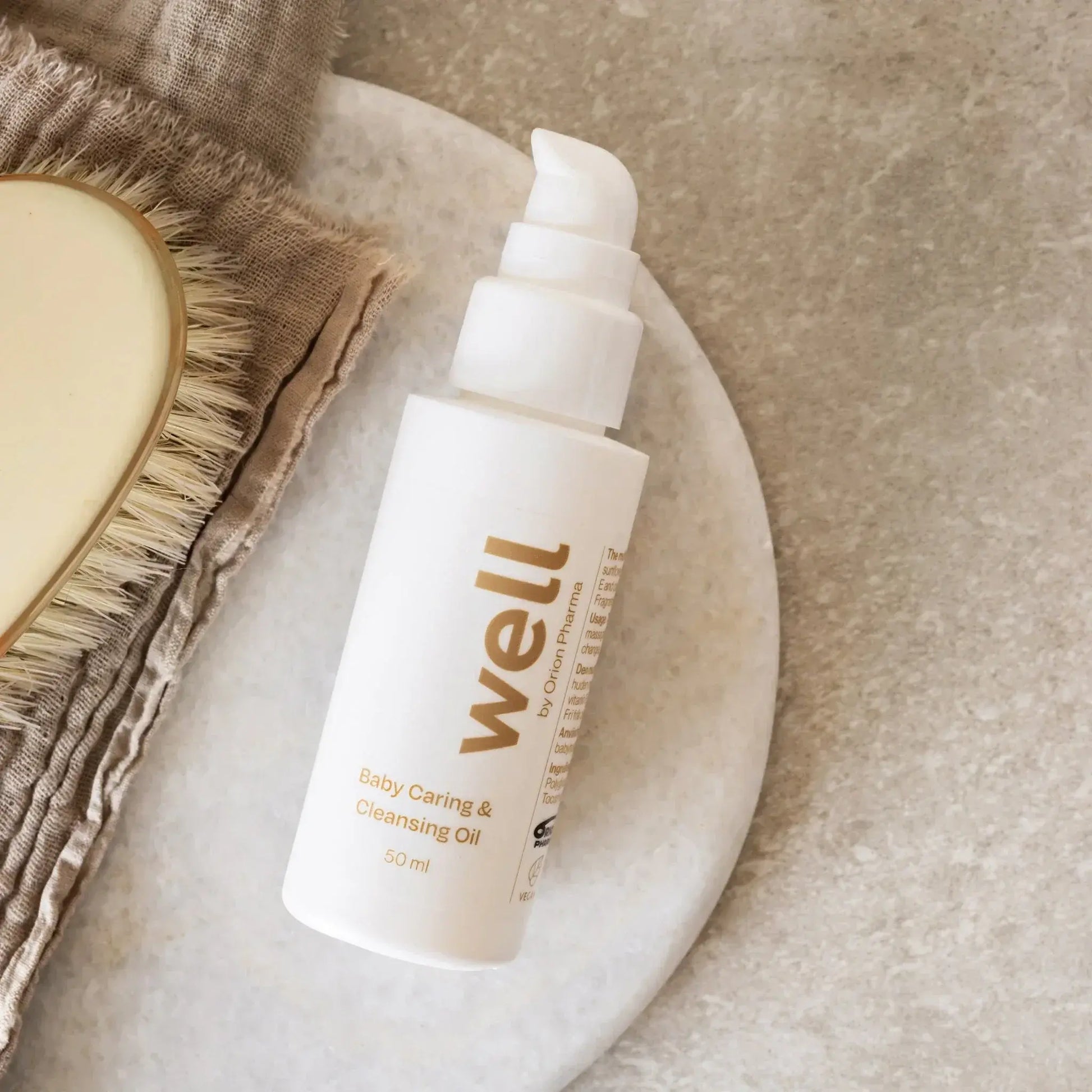
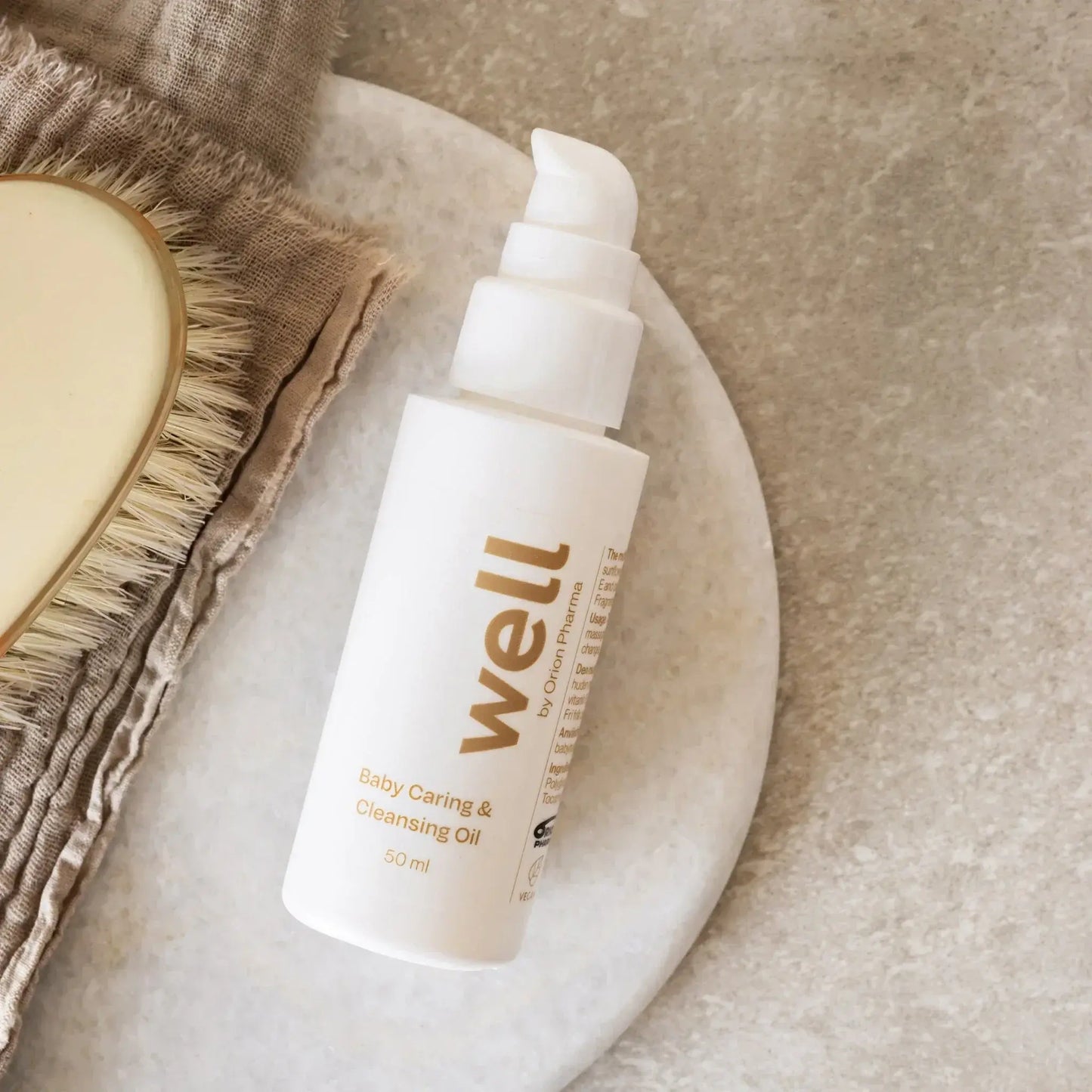
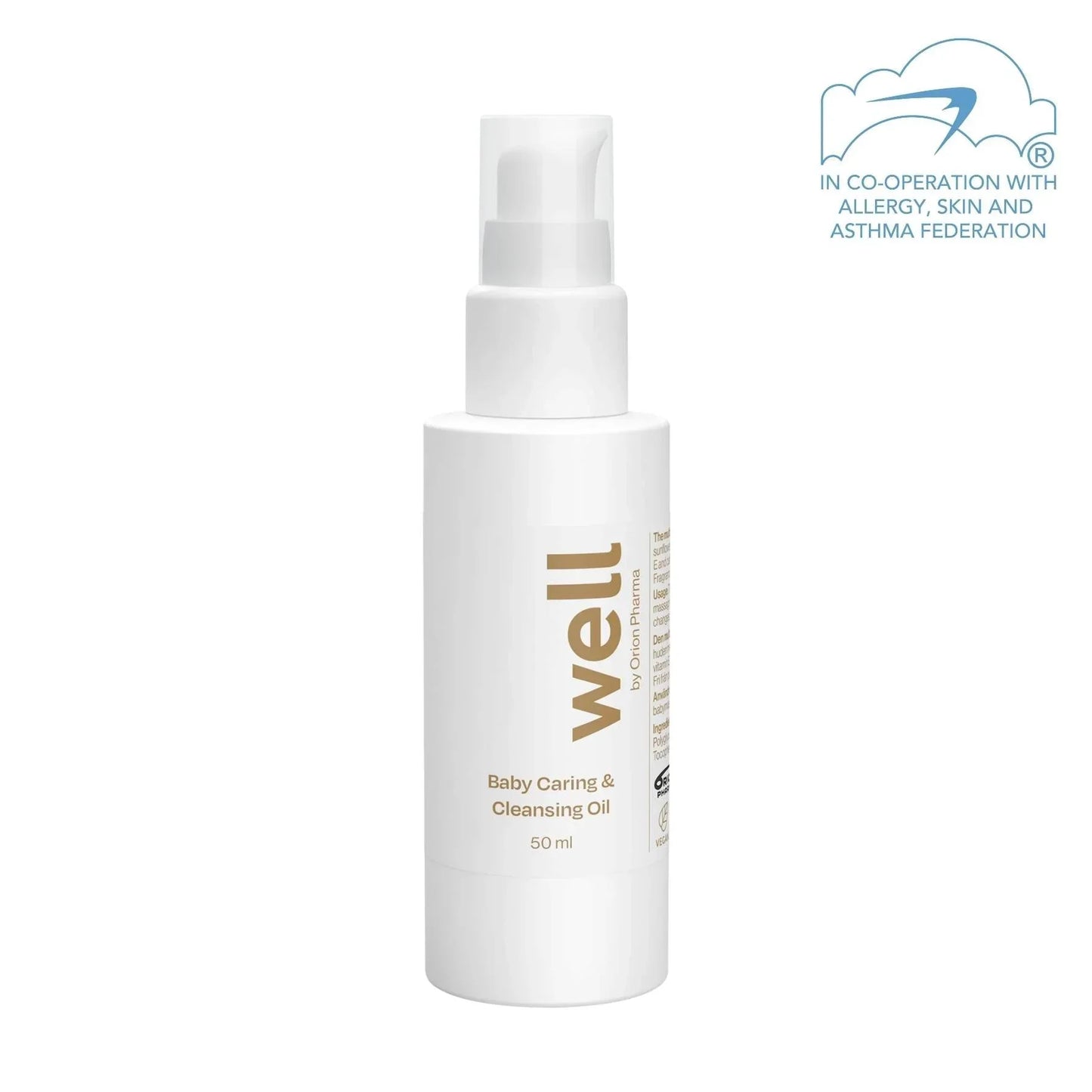
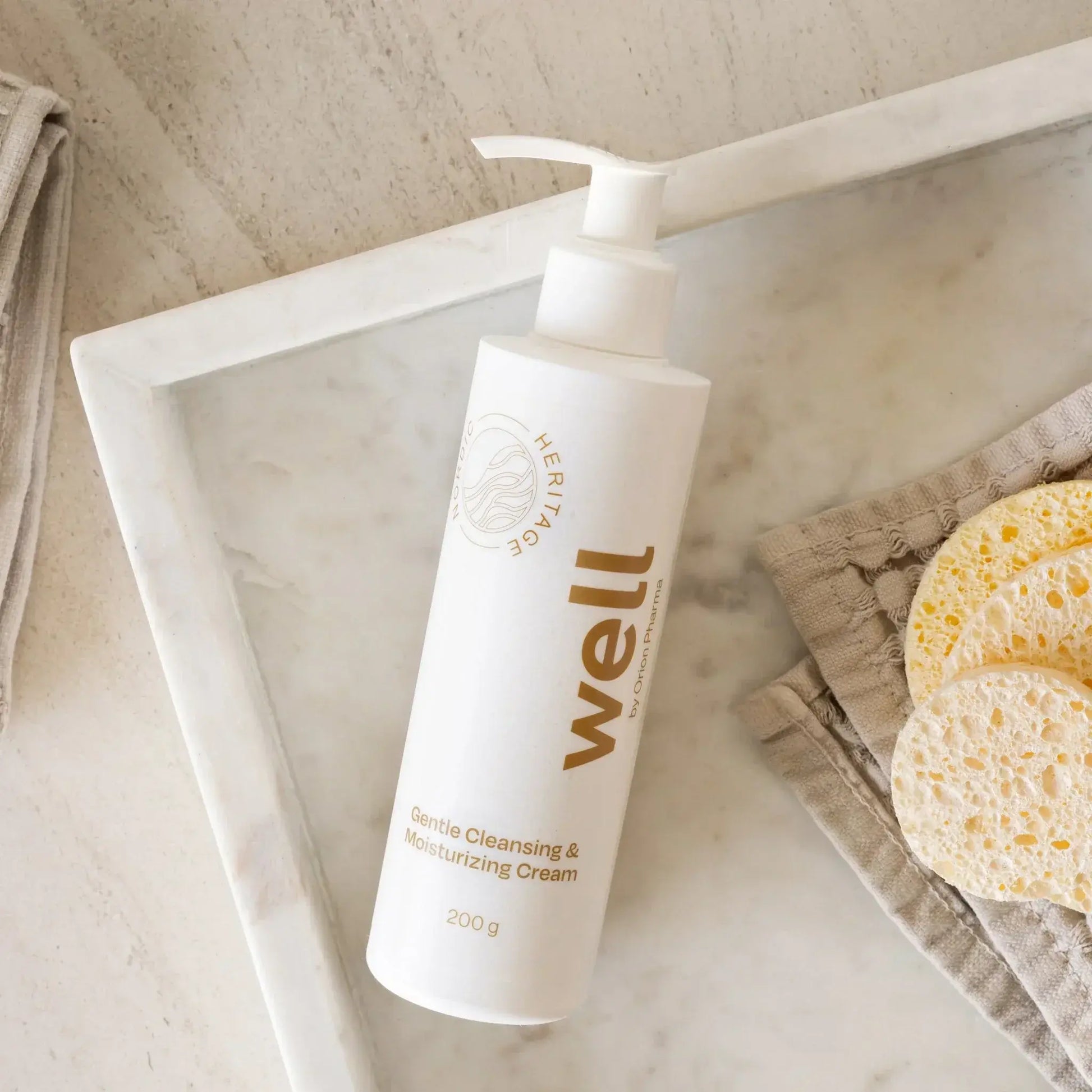
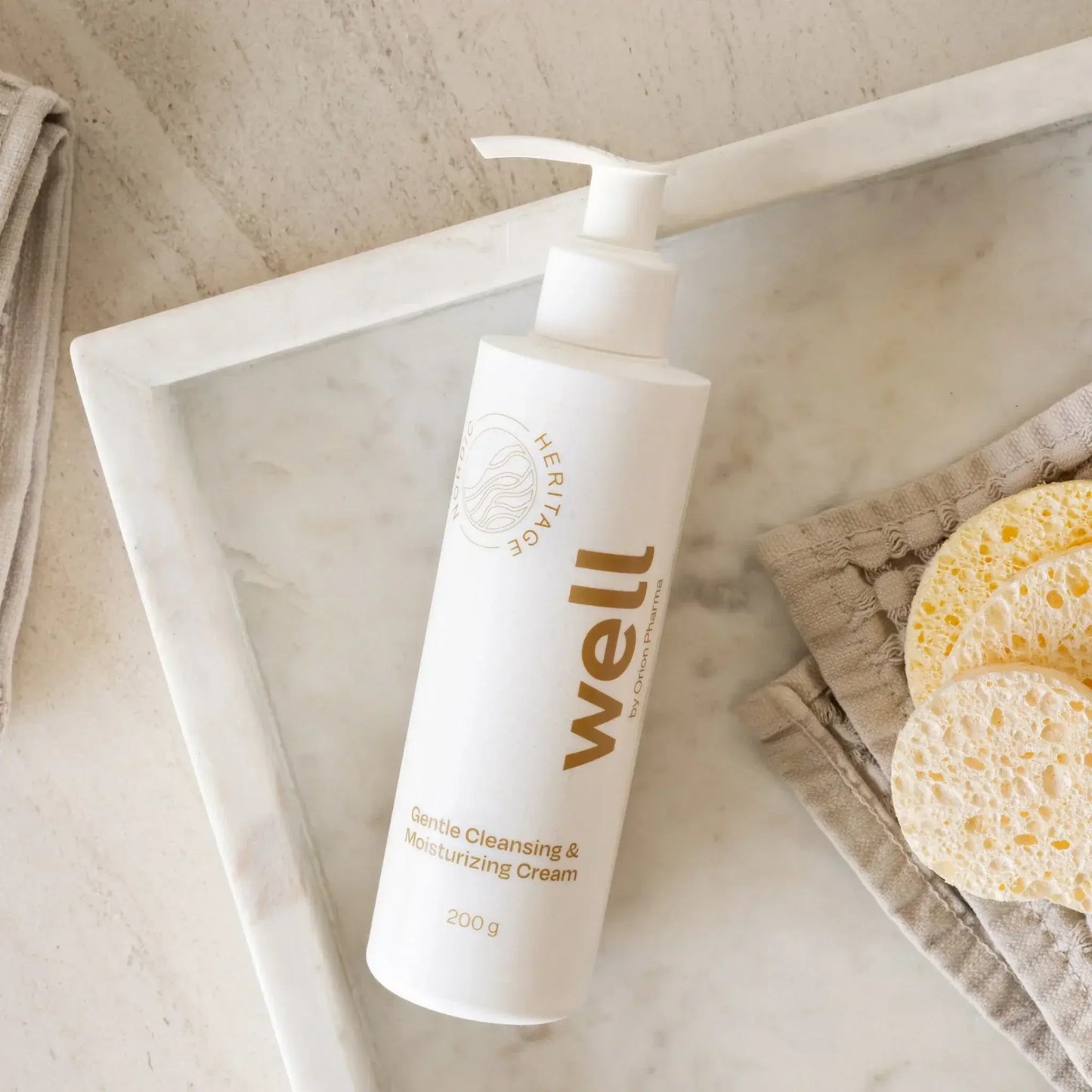
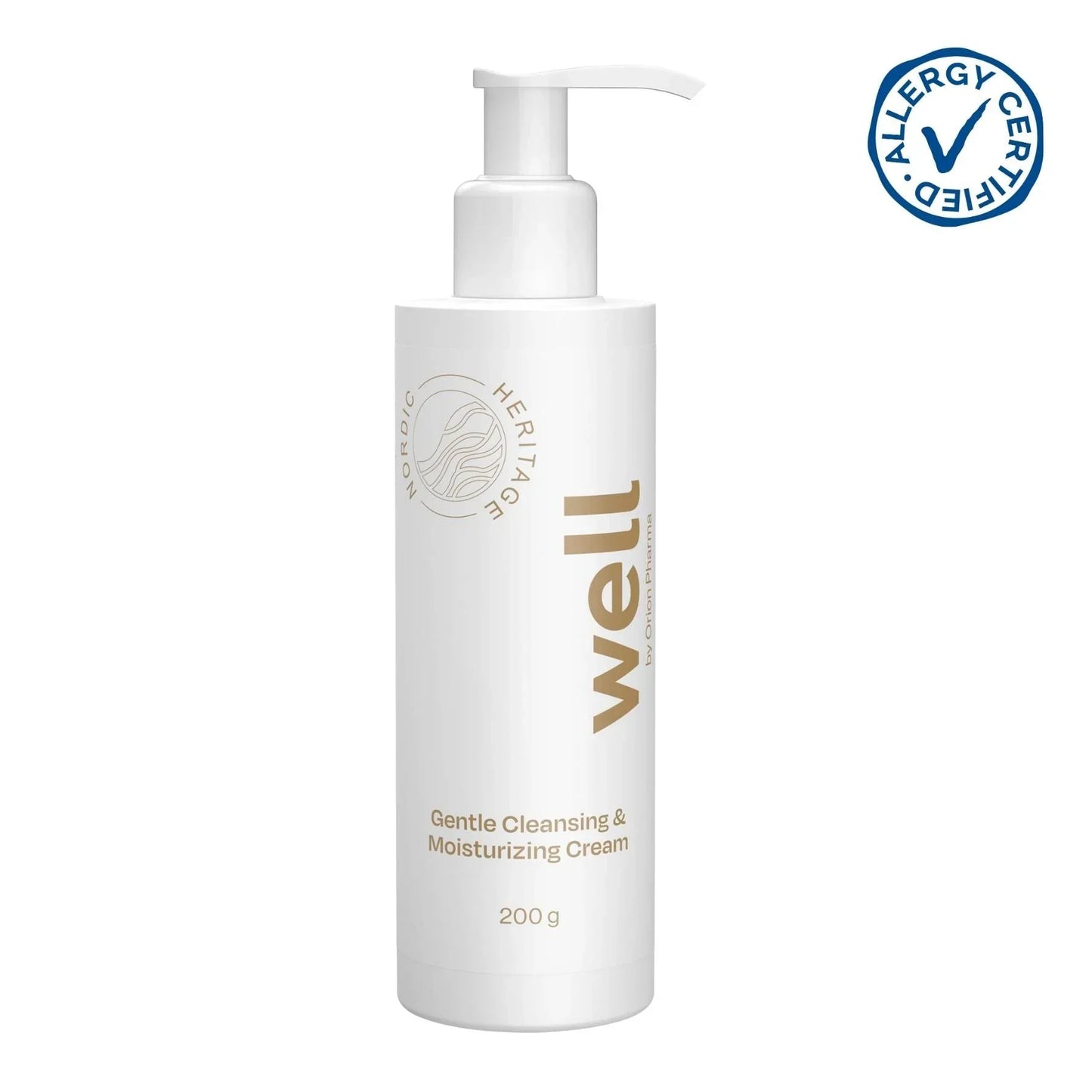
A newborn’s skin is very delicate, so gentle care makes a big difference. Babies only need 2–3 baths per week, since daily baths may dry out their skin. Between baths, use warm water and a washcloth for quick cleanups. After each bath, apply moisturizer to protect their sensitive skin.



4. Support healthy development through play
Simple daily play helps support brain development and encourages strong motor skills. Begin tummy time right from birth, starting with just 2–3 minutes a few times a day and gradually increasing as your baby gets stronger. The best time for play is when they are alert and calm, usually after naps or feedings. Watch for signs of overstimulation, like turning away or fussiness, which means they may need a short break.

5. Build a calm, soothing environment
A predictable, peaceful environment helps babies feel secure. Gentle rocking, soft lighting, and white noise can help soothe fussiness and support smoother sleep routines. Many parents find that a consistent evening rhythm such as bath, lotion, pajamas, quiet play or stories, feeding, then sleep, helps their baby settle more easily. Keep in mind that late-afternoon fussiness is common for newborns and usually improves by 8–12 weeks.
Featured products
-
Regular price 249 krSale price 249 kr Regular priceUnit price per
377 krSave -
Regular price 129 krSale price 129 kr Regular priceUnit price per
0 kr -
Regular price 99 krSale price 99 kr Regular priceUnit price per
0 kr -
Regular price 149 krSale price 149 kr Regular priceUnit price per
0 kr

Read more blogs
View all-

Baby shower gifts for mum (and baby)
Baby showers are one of those occasions where everyone wants to give something meaningful: something the new mum will actually use and appreciate. If you're looking for a gift that...
Baby shower gifts for mum (and baby)
Baby showers are one of those occasions where everyone wants to give something meaningful: something the new mum will actually use and appreciate. If you're looking for a gift that...
-

Folate, folic acid and pregnancy planning: when...
If you're thinking about getting pregnant, or if there's any chance you might become pregnant in the coming months, you've probably heard that folic acid is important. But when exactly...
Folate, folic acid and pregnancy planning: when...
If you're thinking about getting pregnant, or if there's any chance you might become pregnant in the coming months, you've probably heard that folic acid is important. But when exactly...
-

Mama Bundle & Baby Care Basics – who they’re for
Discover the Mama Bundle and Baby Care Basics Bundle: gentle, fragrance‑free skincare essentials for pregnancy, postpartum, and baby’s first months. Thoughtfully curated to support sensitive skin and simplify everyday routines...
Mama Bundle & Baby Care Basics – who they’re for
Discover the Mama Bundle and Baby Care Basics Bundle: gentle, fragrance‑free skincare essentials for pregnancy, postpartum, and baby’s first months. Thoughtfully curated to support sensitive skin and simplify everyday routines...


