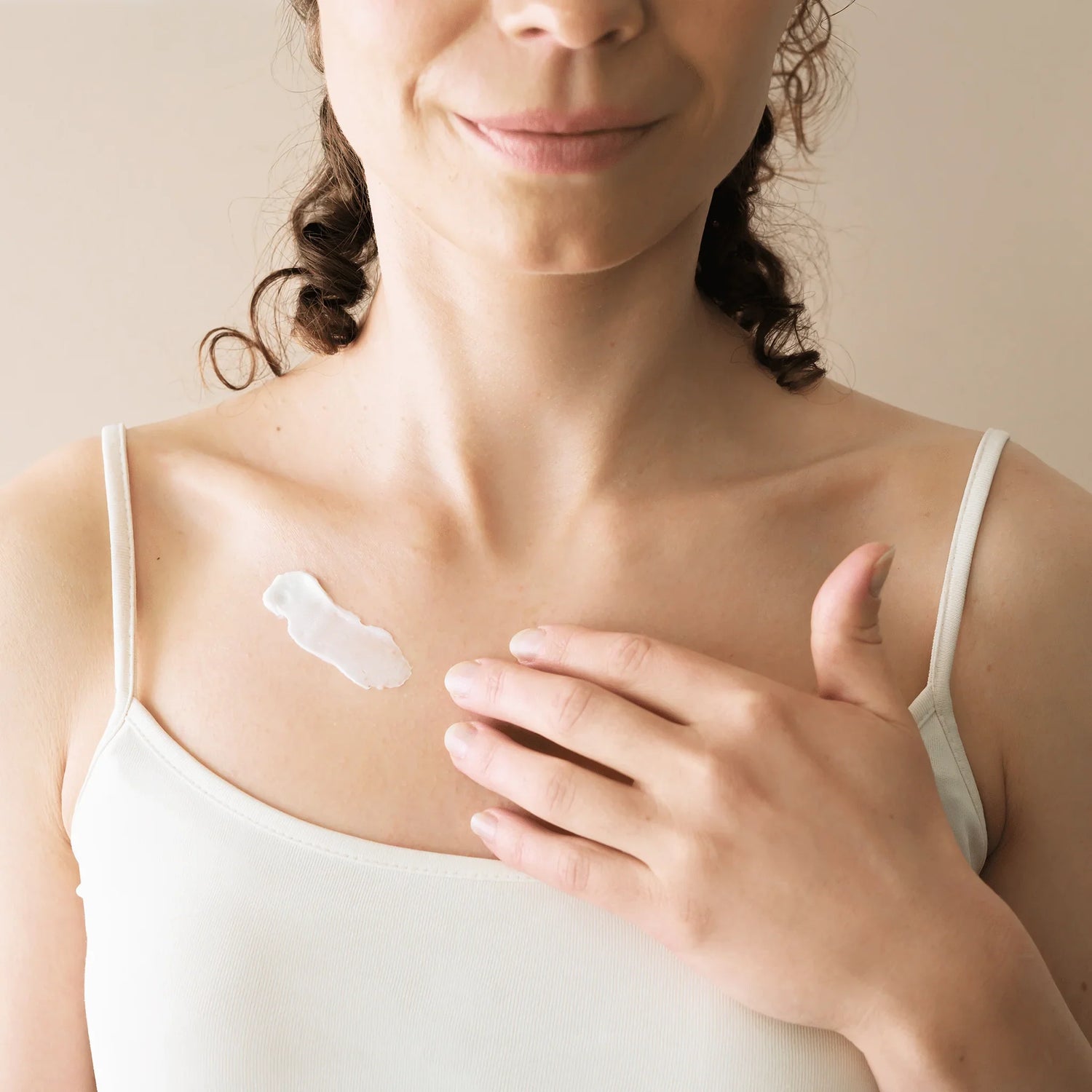
Taking care of pregnancy acne
August 20, 2025
Pregnancy is a remarkable journey of transformation physically, emotionally, and hormonally. While many expecting women enjoy the celebrated “pregnancy glow,” it’s also common to experience skin changes that aren’t quite as welcome, such as acne. At Well by Orion Pharma, we know how important it is to feel confident and comfortable in your skin during this special time. That’s why we’re here to guide you through what causes pregnancy acne and how you can care for your skin safely and effectively.
Why does acne occur during pregnancy?
Pregnancy acne isn’t a unique type of acne; rather, it’s a common response to hormonal shifts. The main cause is an increase in androgens: hormones that stimulate the skin’s sebaceous glands to produce more sebum. This excess oil can clog pores, leading to breakouts.
These hormonal changes are most pronounced during the first and second trimesters. While pregnancy acne often improves on its own, many people seek gentle and effective ways to manage it along the way. Try to be patient with your skin, pregnancy acne is usually temporary. In most cases, breakouts begin to fade after childbirth as hormone levels start to balance out. Before long, you'll start to feel like yourself again.
Well by Orion Pharma
Mama Bundle
5.0 / 5.0
(2) 2 total reviews
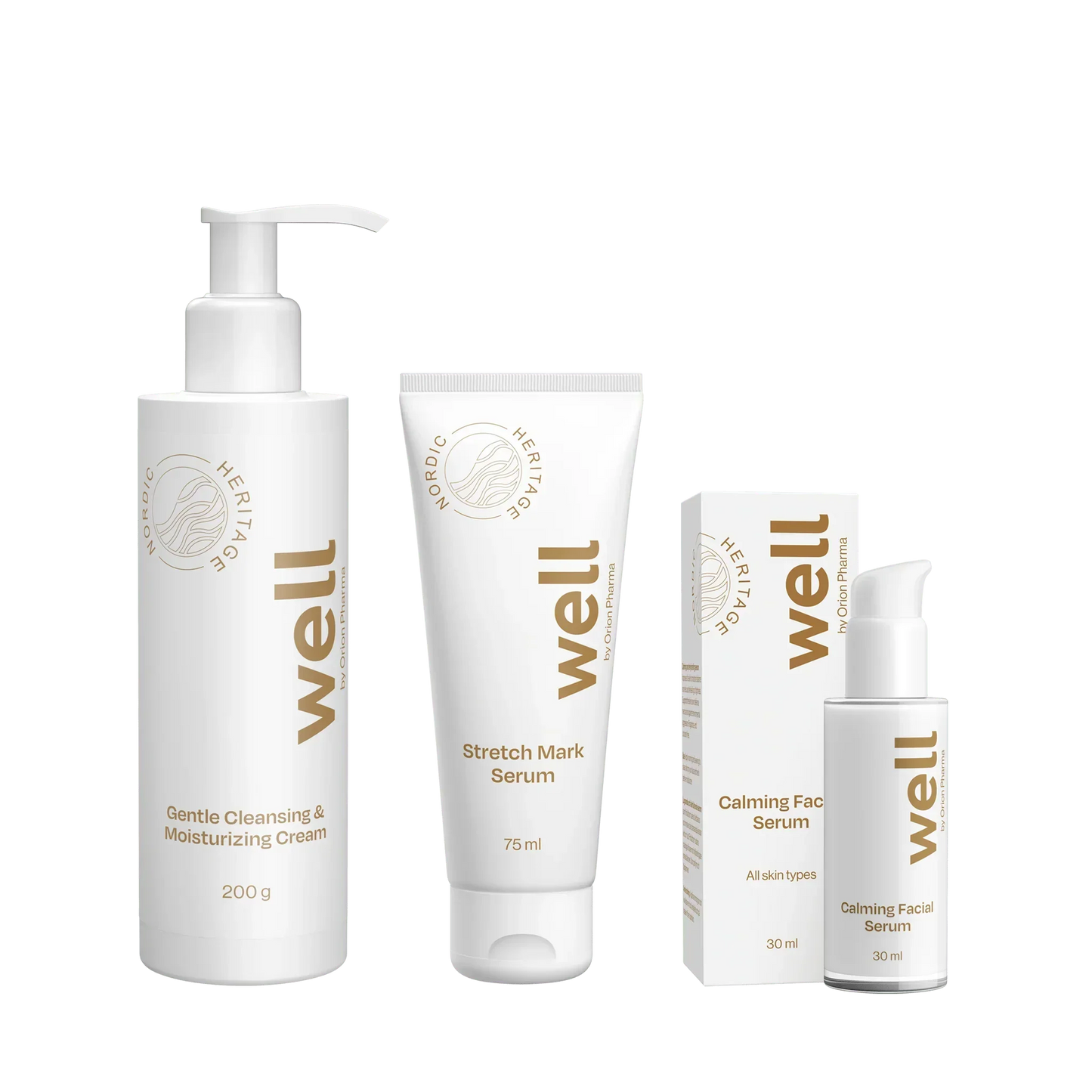
Gentle skincare for pregnancy and postpartum. The bundle includes 1) a cleansing and moisturizing cream, 2) a facial serum, and 3) a body serum.

Safe ingredients for treating acne during pregnancy
Safety is the top priority when choosing skincare during pregnancy. Certain acne treatments - like oral isotretinoin and topical retinoids - are known to pose risks and should be avoided entirely.
Fortunately, there are several ingredients considered both safe and effective, including:
- Azelaic Acid: A naturally derived ingredient with anti-inflammatory and antibacterial properties that helps reduce acne and pigmentation without harming your baby.
- Benzoyl Peroxide: Generally safe in low concentrations (up to 5%) when used moderately.
At Well by Orion Pharma, we focus on fragrance-free and allergy-certified, gentle formulations. This ensures your skin receives gentle care without unnecessary additives, giving you peace of mind.
Our gentle approach to pregnancy skincare
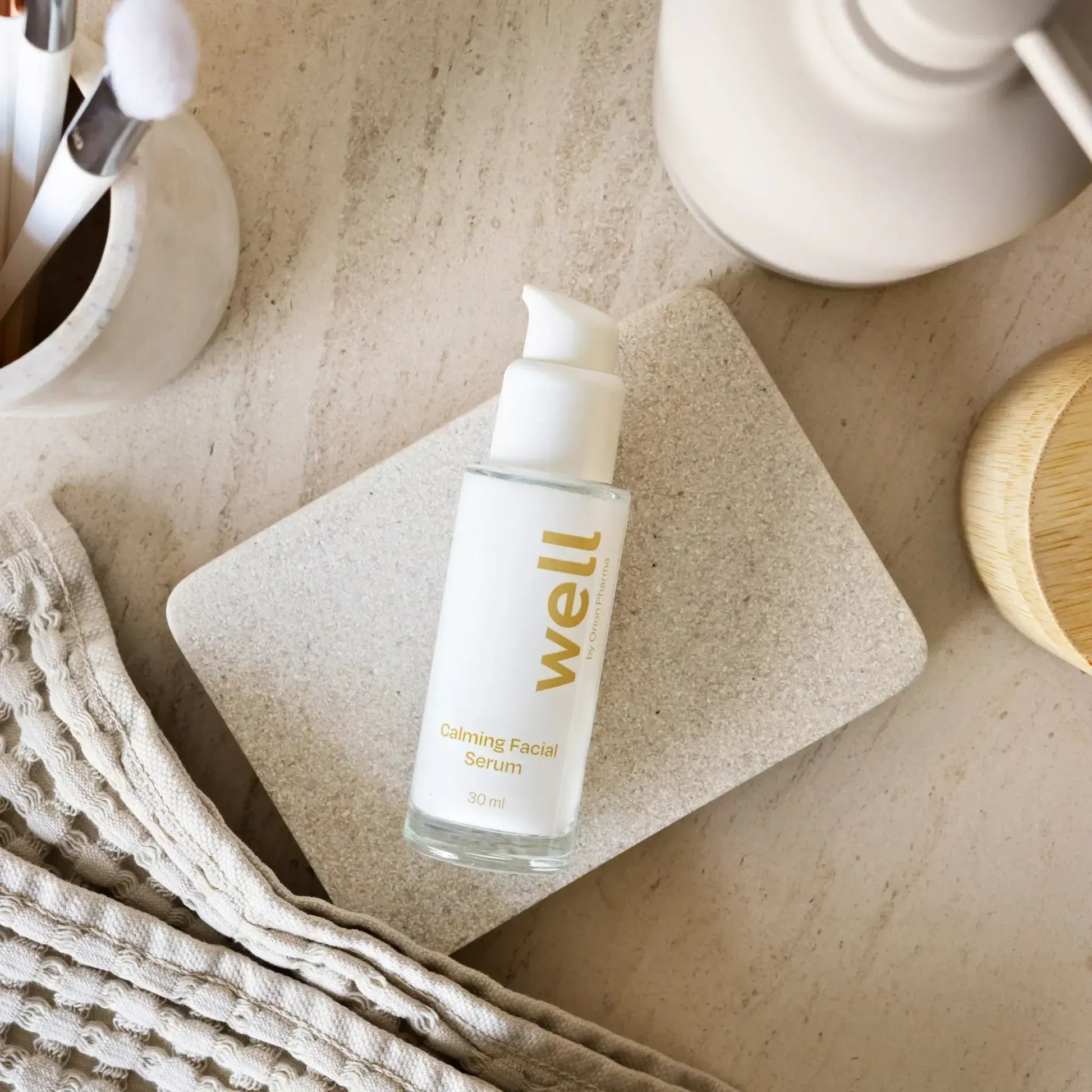
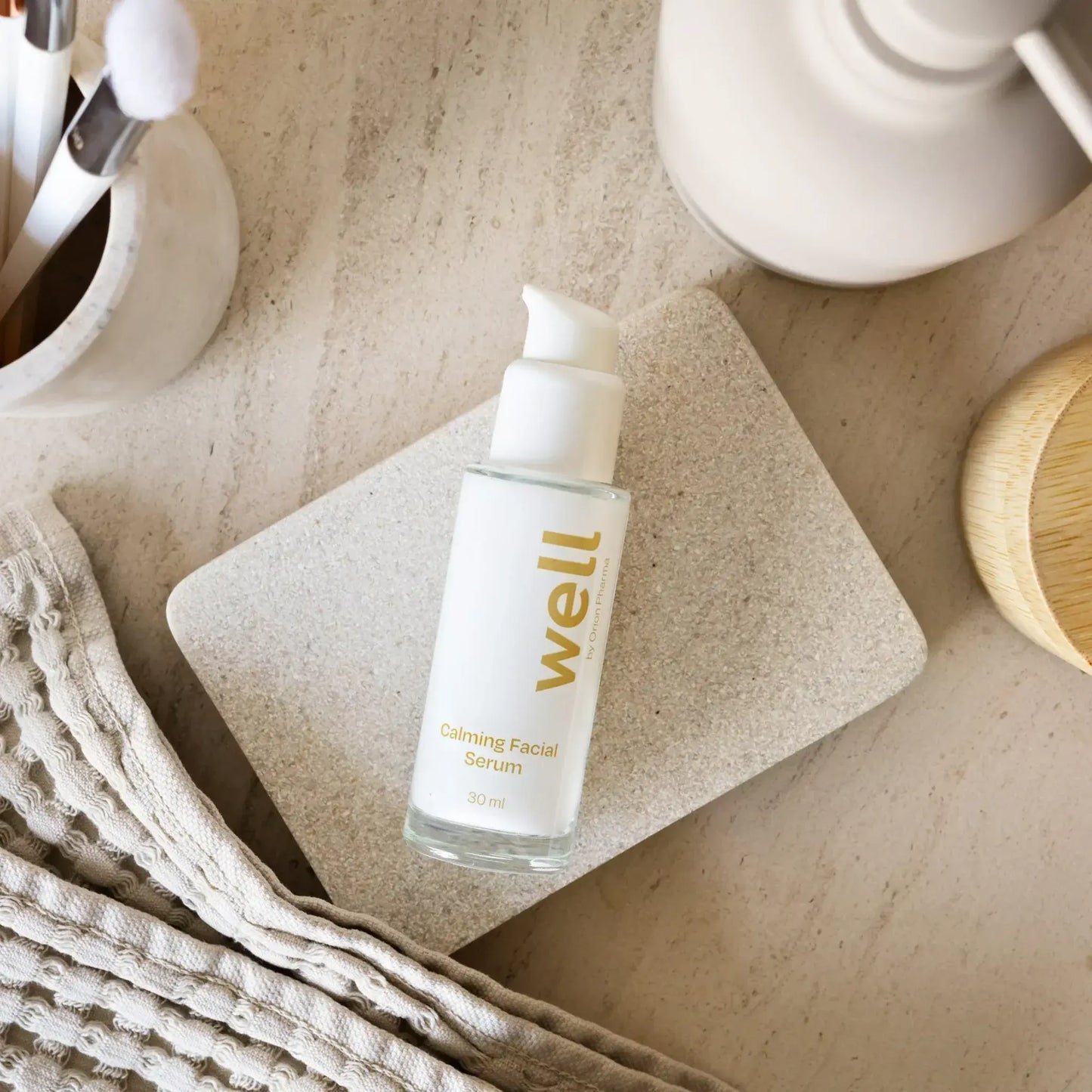
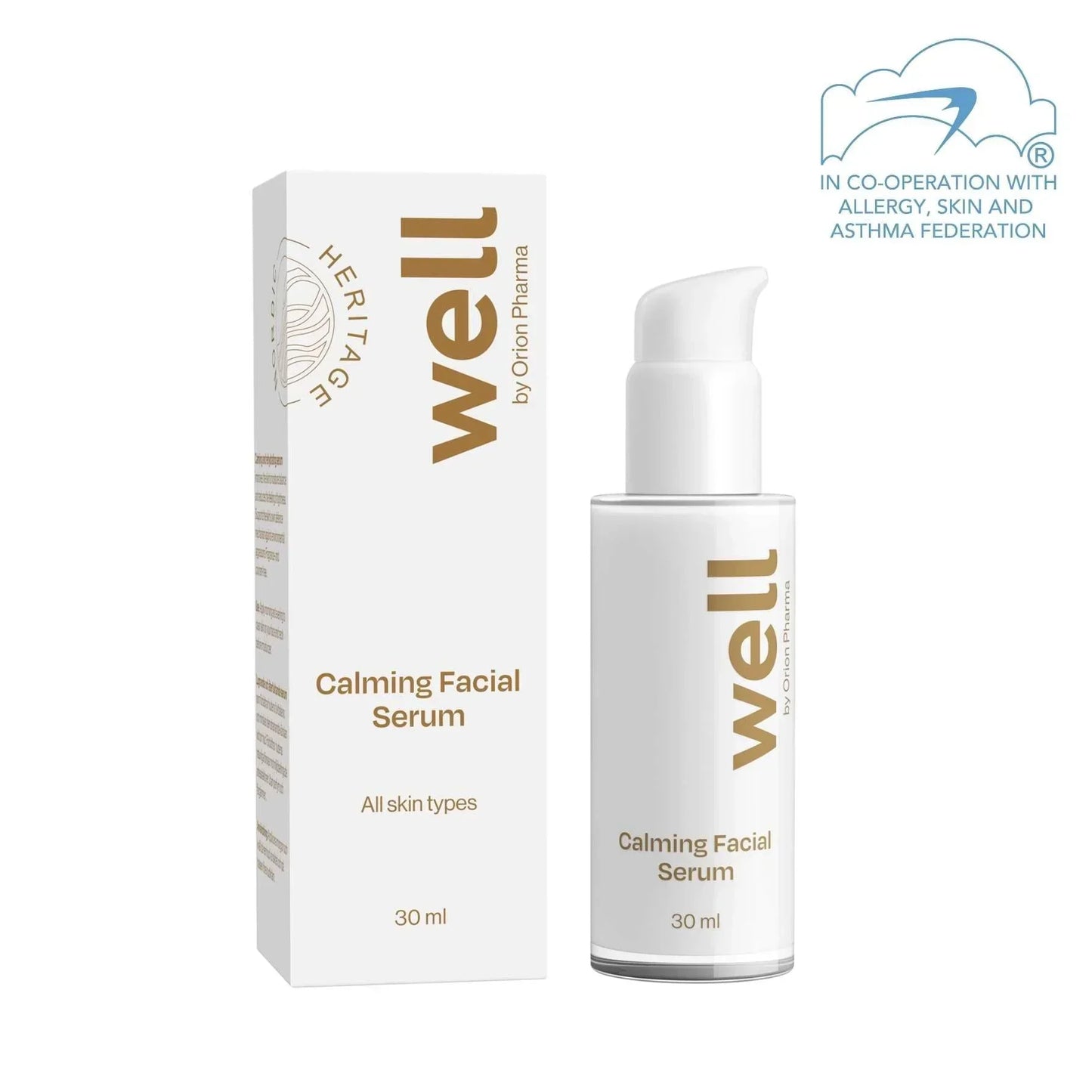
Our Gentle Cleansing & Moisturizing Cream is specially formulated to cleanse without stripping the skin’s natural barrier, perfect for sensitive, acne-prone skin during pregnancy. For targeted relief, our Calming Facial Serum helps soothe redness and irritation, while our Stretch Mark Serum supports skin elasticity as your body changes. Stretch Mark Serum is also great to try if you get acne scars on your face, because it helps to even out the skin tone and make the scars less visible. So don’t hesitate to try the lovely serum also on your face.
Text block
Well by Orion Pharma
Calming Facial Serum
Clinically tested for proven results (Dermscan 08/2020), this lightweight serum brings calm and comfort to your skincare routine from morning to night.

Tips for managing pregnancy acne naturally
Alongside using safe skincare products, these lifestyle tips can help you keep pregnancy acne under control:
- Cleanse gently twice a day with lukewarm water and a mild cleanser.
- Avoid touching your face frequently to minimize bacteria spread.
- Choose water-based or non-comedogenic makeup and sunscreens.
- Stay hydrated and maintain a balanced diet rich in fruits, vegetables, and omega-3 fatty acids.
While many ingredients can safely support your skin during pregnancy, there are a few that should be completely avoided due to potential risks to your baby. These include:
- Retinoids (such as tretinoin, isotretinoin, retinol and retinal should be completely avoided both internally and externally)
- Salicylic acid (especially in high concentrations)
We also recommend avoiding harsh exfoliants, alcohol-based toners, and strongly fragranced products, which can irritate sensitive skin during pregnancy.
When to consult a healthcare provider
If your acne becomes severe or painful, don’t hesitate to consult your healthcare provider or dermatologist. They can help assess treatment options that support both your health and your baby’s wellbeing.
About the author
Tanja Kipinoinen, eCom Manager
Passionate about promoting well-being and improving customer experience in digital channels. Responsible for developing the online store and content in collaboration with experts in dietary supplements and cosmetics development to ensure that information is reliable and easy to understand.
We continuously work to make sure the content we create is high-quality, up-to-date, and engaging. All our content is based on independence, objectivity, and expertise. In addition to our skilled content creators, Orion Pharma’s product specialists regularly review the materials.
Read more
View all-
Omega-3 and vitamins while breastfeeding
Producing breast milk requires extra energy and nutrients. Just like during pregnancy, you need a bit more vitamins and minerals while breastfeeding. A varied and balanced diet helps you meet...
Omega-3 and vitamins while breastfeeding
Producing breast milk requires extra energy and nutrients. Just like during pregnancy, you need a bit more vitamins and minerals while breastfeeding. A varied and balanced diet helps you meet...
-
How to get enough vitamins and omega-3 during p...
To nourish the growing baby, your body needs more of certain nutrients than usual, such as folic acid, iron, iodine, and omega-3 fatty acids. The most important thing is that you...
How to get enough vitamins and omega-3 during p...
To nourish the growing baby, your body needs more of certain nutrients than usual, such as folic acid, iron, iodine, and omega-3 fatty acids. The most important thing is that you...
-
Winter skincare: how to care for dry, sensitive...
The skin’s natural protective barrier becomes thinner in winter, making it more sensitive to wind, frost, and sudden temperature changes. As a result, many people experience redness, flakiness, or even...
Winter skincare: how to care for dry, sensitive...
The skin’s natural protective barrier becomes thinner in winter, making it more sensitive to wind, frost, and sudden temperature changes. As a result, many people experience redness, flakiness, or even...