Stretch marks during pregnancy

Edited: June 24, 2026.

Stretch marks are one of the most common skin changes during pregnancy — and one of the most talked about. Whether you want to support your skin and reduce the appearance of stretch marks, or simply understand what’s happening, you’ve come to the right place. This guide covers everything you need to know about stretch marks during pregnancy, from why they appear to how to care for your skin through every stage.

What are stretch marks?

Stretch marks, known medically as striae gravidarum, are lines or streaks that form when the skin is stretched rapidly. They develop in the dermis, the middle layer of skin where collagen and elastin fibres are responsible for skin's strength and flexibility. When the skin expands faster than these fibres can adapt, small tears occur — and that's where stretch marks begin.


They're not a sign that something has gone wrong. They're a sign that your body is doing something extraordinary.

Why do stretch marks appear during pregnancy?


Stretch marks during pregnancy are extremely common: studies suggest that between 50 and 90 percent of pregnant women develop them. There are two main reasons:

  1. Rapid physical growth: As your belly, breasts, hips and thighs expand to accommodate your growing baby, the skin stretches significantly in a short period of time.

  2. Hormonal changes: Pregnancy hormones can reduce the skin's collagen production, making it less elastic and more prone to developing stretch marks.


Common areas affected include the stomach (abdominal stretch marks is one of the most searched concerns among pregnant women), breasts, thighs, hips and buttocks.

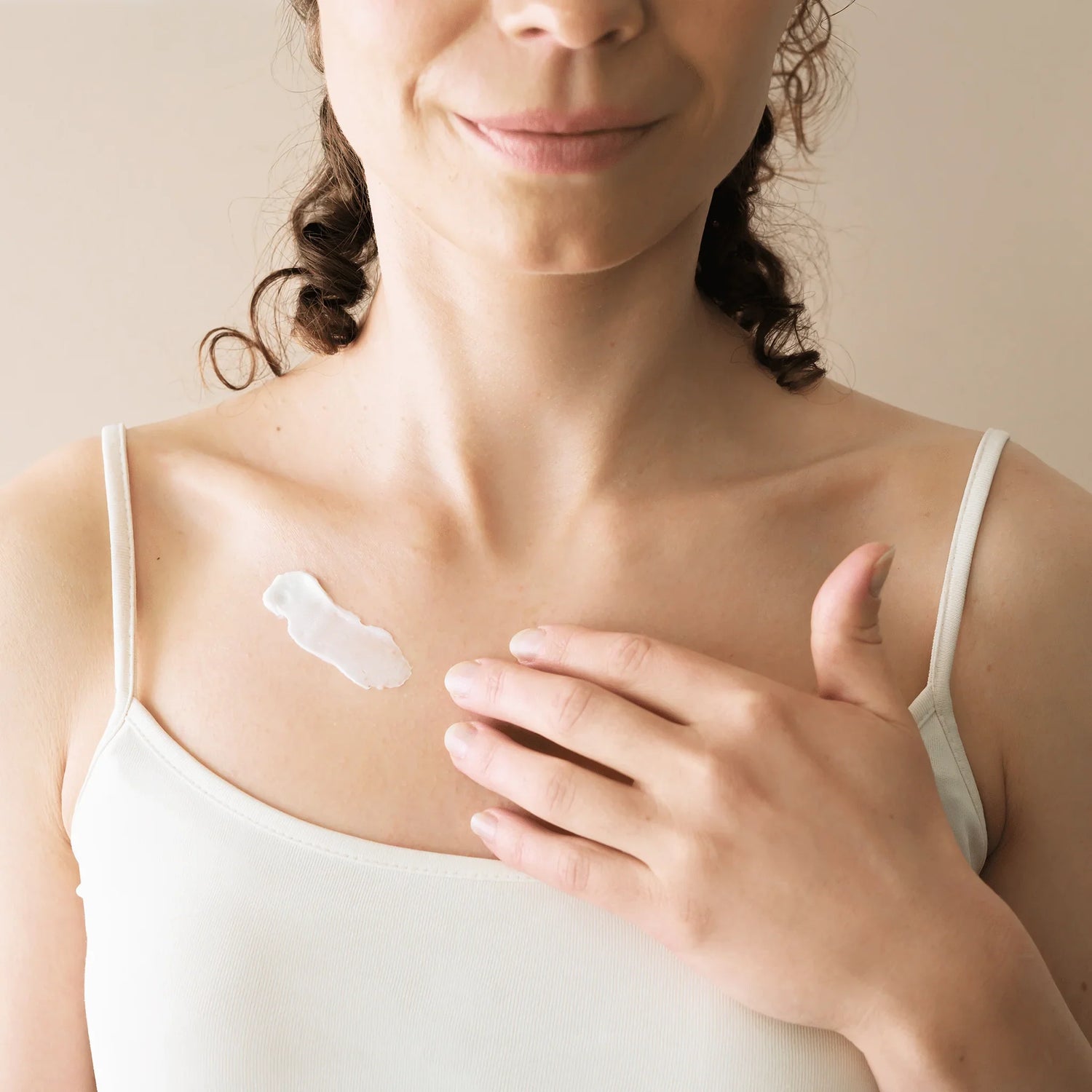
Stretch marks typically start as reddish, purple, or pink streaks that may feel slightly raised or itchy. Over time, after birth, they tend to fade to a lighter, silvery tone — less visible, but usually not gone entirely.

When do stretch marks appear?

Most pregnant women notice the first stretch marks during the second trimester, often around weeks 13–21, when the belly begins to grow more rapidly. However, some women don't see them until the third trimester. There's no fixed rule — it varies from person to person depending on genetics, skin type and how quickly the body changes.

Can you prevent stretch marks?

During pregnancy, stretch marks are often influenced by genetics, which means they may not always be avoidable. For example, if your mother or sister had them, your chances may be higher. That said, regularly caring for your skin — keeping it well-moisturised, supple and supported from early on — can help it stay resilient as your body changes.
The key is to start early and be consistent.

How to care for your skin during pregnancy?

Regular skincare during pregnancy is one of the most effective ways to support your skin's elasticity and comfort.

Here's what helps:

Moisturise daily — and start early

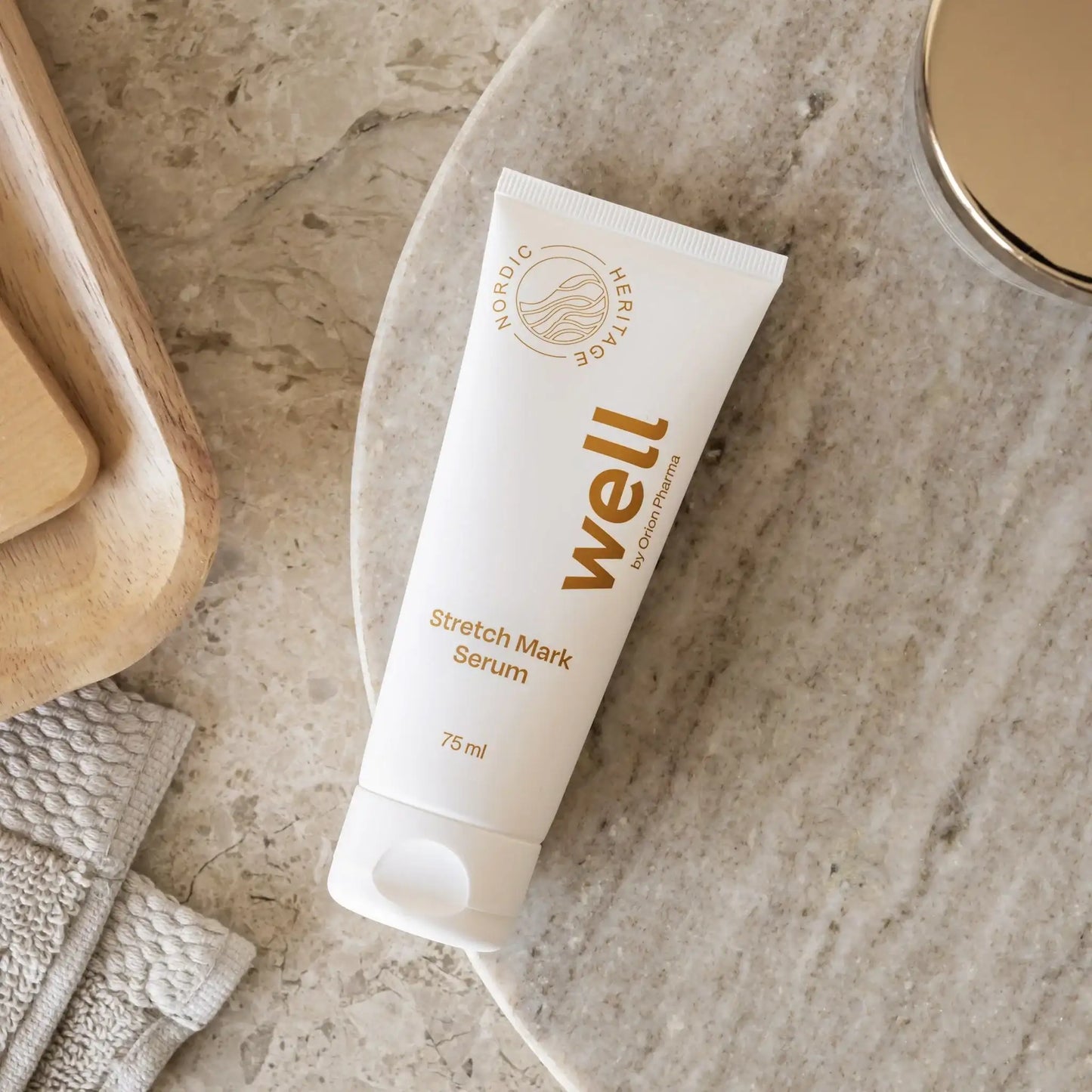
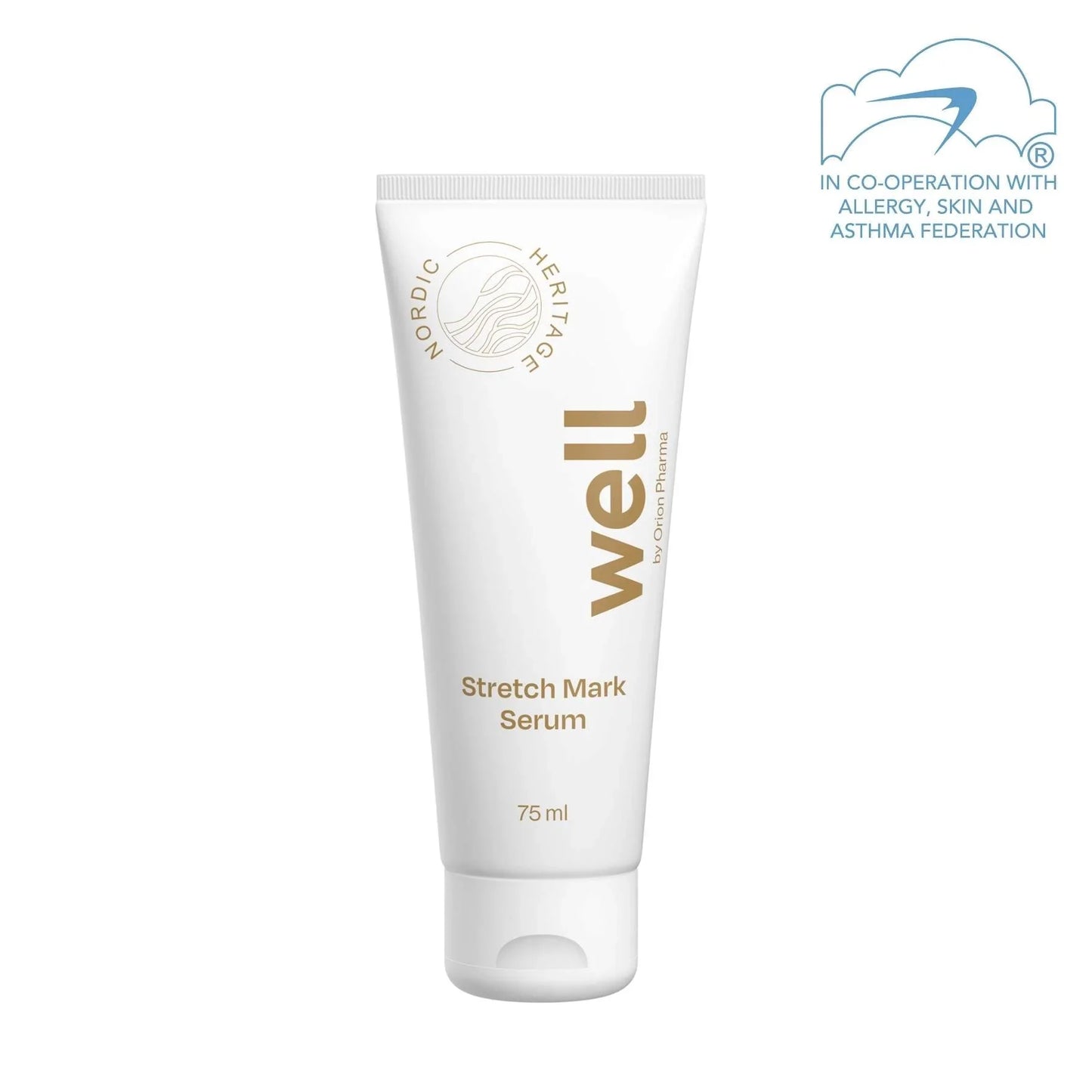
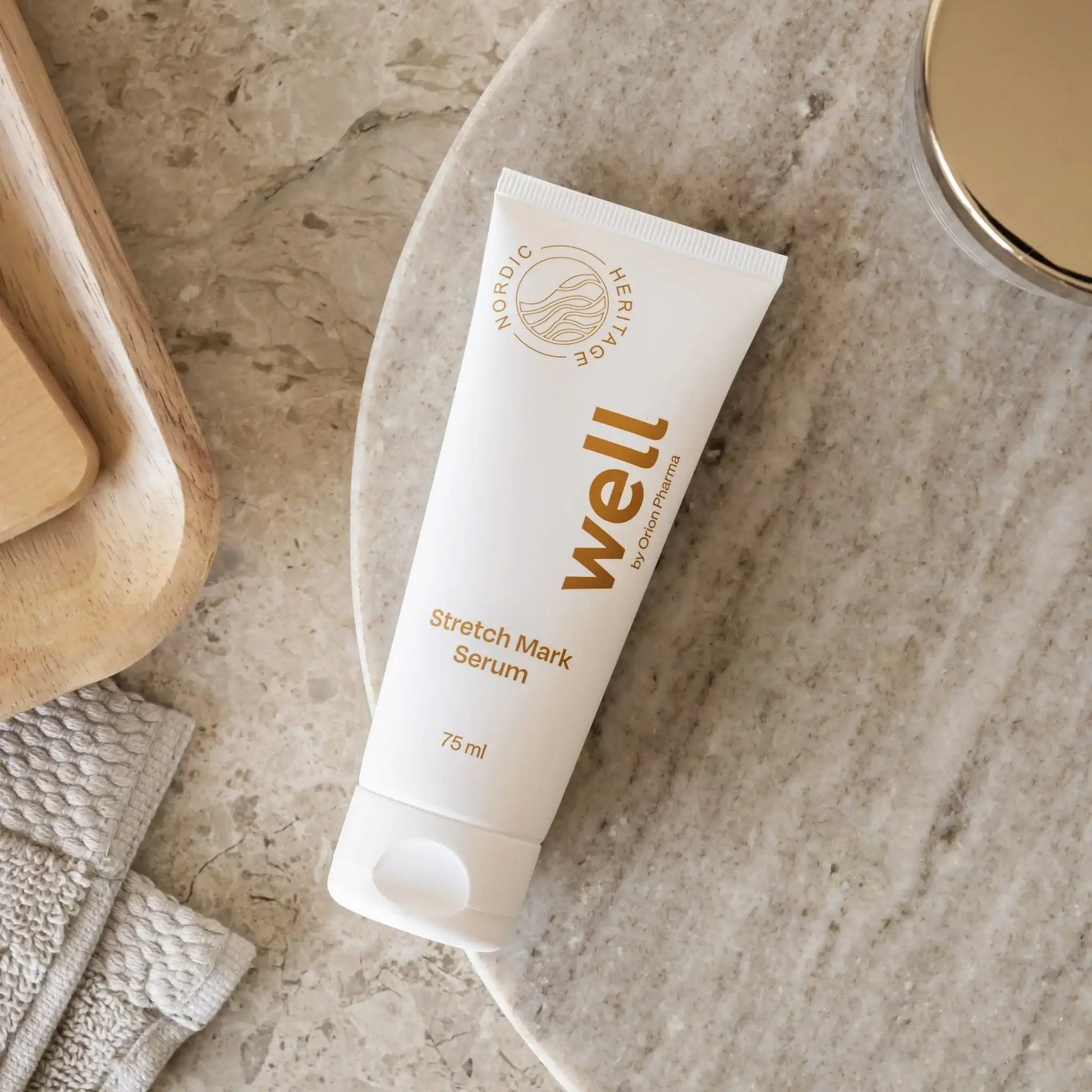
Hydrated skin is more flexible skin. Using a targeted serum or cream from the first trimester gives your skin the best foundation to adapt as your body grows. Well by Orion Pharma Stretch Mark Serum is developed specifically for this purpose. Its formula contains Centella Asiatica (also known as cica or gotu kola), an ingredient to support skin elasticity and overall skin condition.

Clinically tested, it improves skin hydration by 42%*, relieving tightness and dryness as your body changes. It absorbs quickly with no greasy residue — making it easy to use every day, even on sensitive skin.

The serum is fragrance-free, dye-free, vegan, and dermatologically tested. It has also been developed in collaboration with the Finnish Allergy, Skin and Asthma Association — and its ingredients have been independently reviewed with no signs of hormonal influence (In Silico, Toxicology Knowledge Team Sweden 2025). It's safe to use throughout pregnancy and during breastfeeding.

Support your routine with a gentle moisturiser

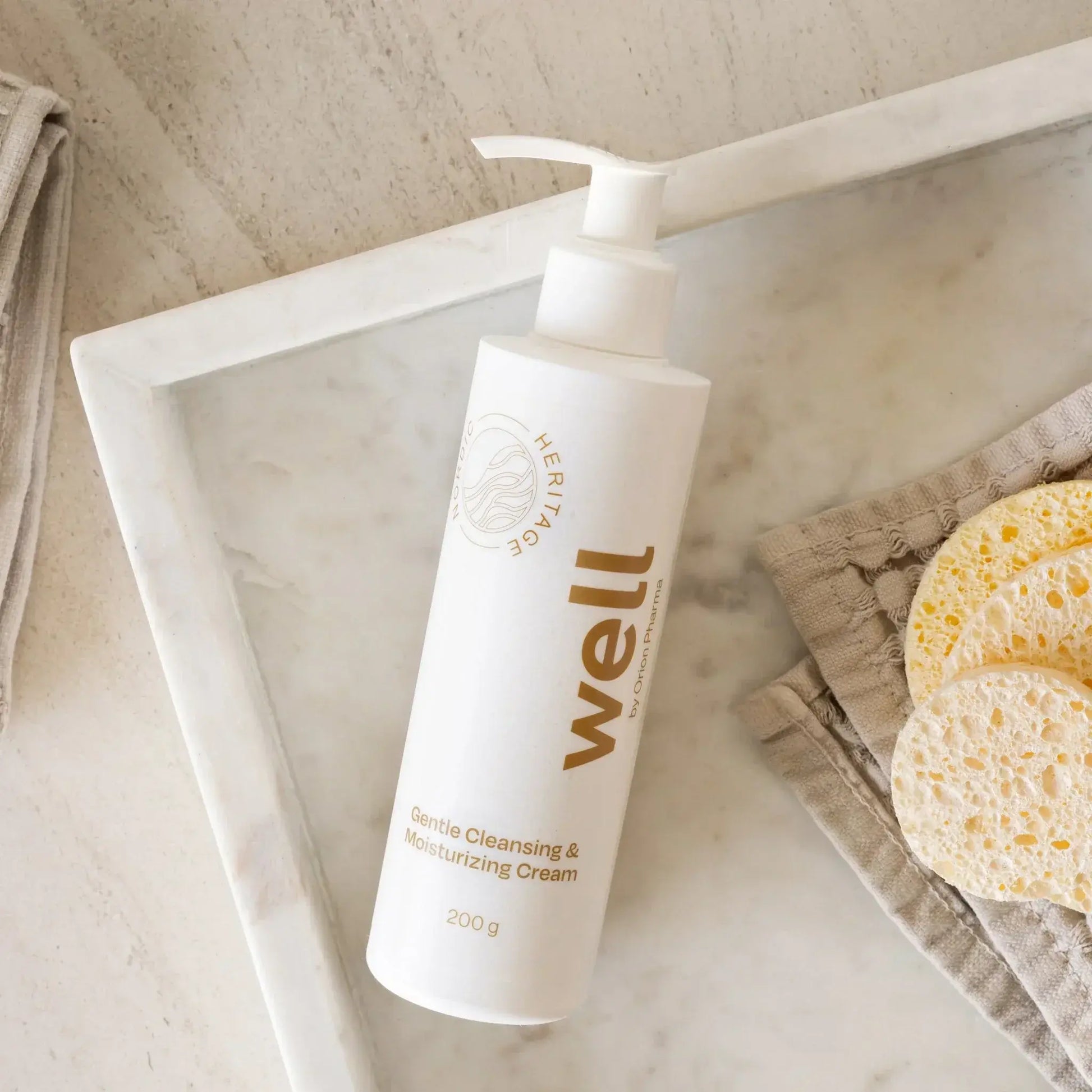
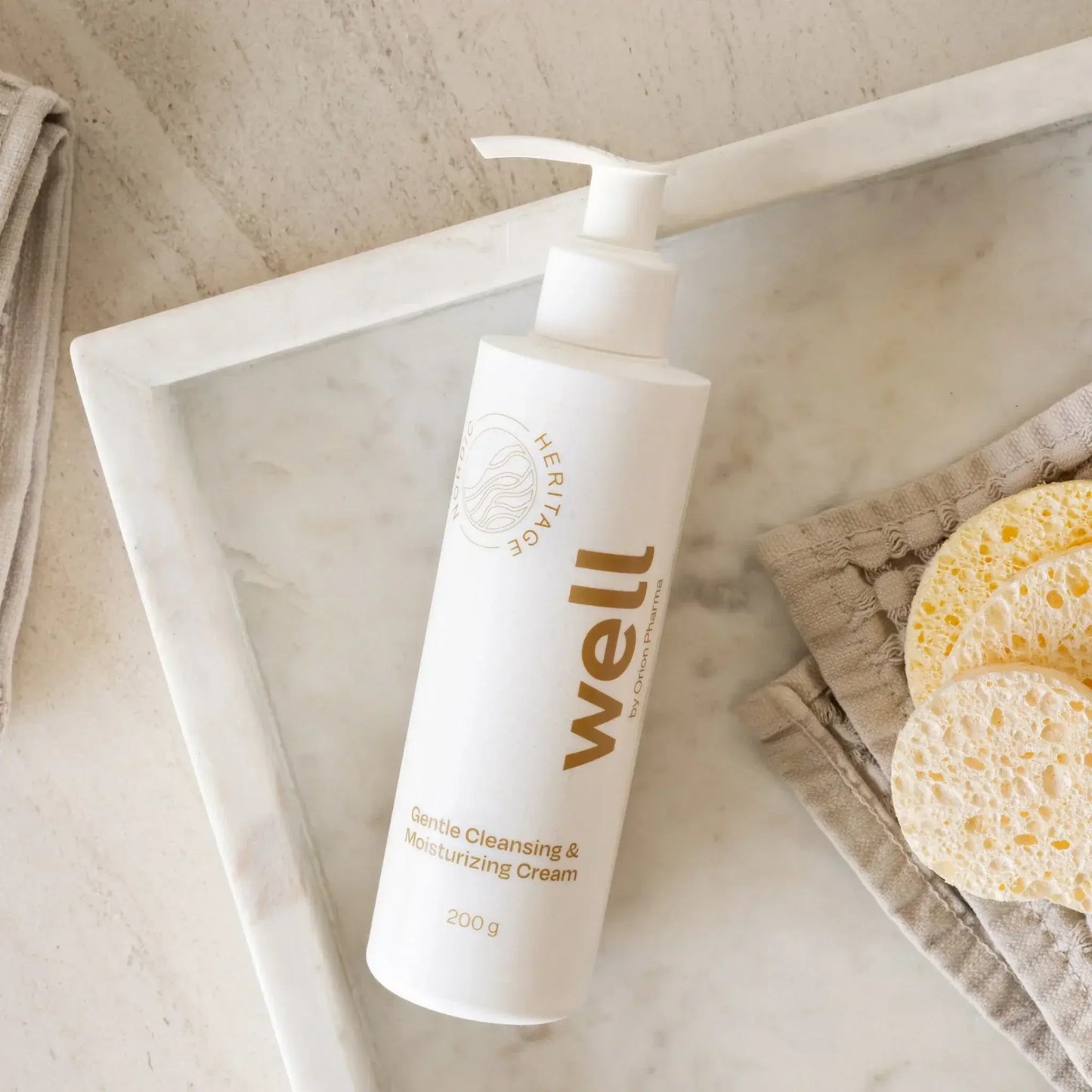
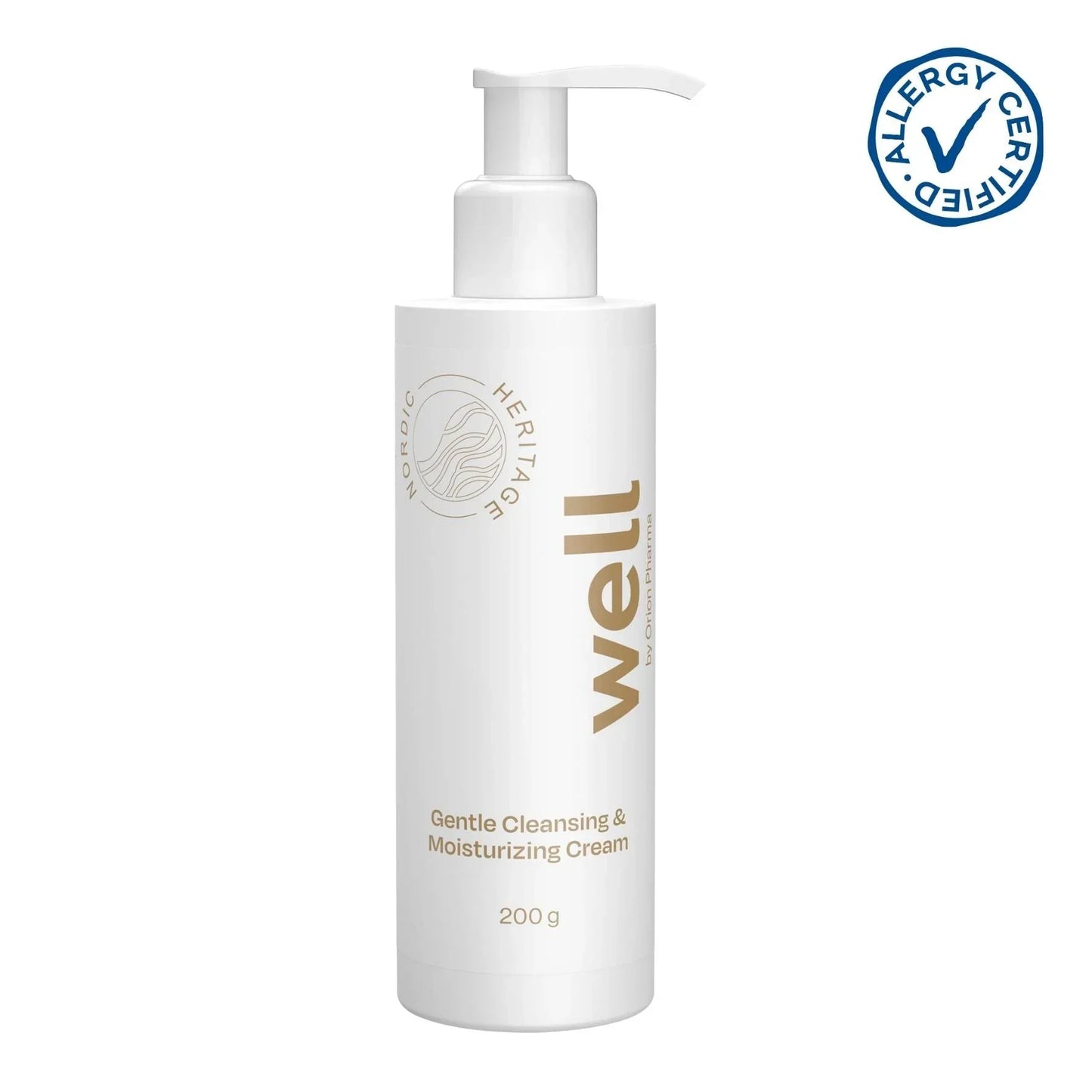
For an extra layer of nourishment, especially on areas that feel dry or tight, Well by Orion Pharma Gentle Cleansing & Moisturizing Cream makes a softening companion to the serum. For those who prefer oil, Well by Orion Pharma Baby Caring & Cleansing Oil is also a gentle and effective option — well suited for use on the growing belly. Both are formulated for sensitive skin and can be used daily to help keep the skin soft and comfortable.

Gentle massage

Massaging products into the skin can help stimulate the skin and support its suppleness. Take a few extra minutes when applying your serum, cream or oil — particularly on the stomach, breasts and thighs.


Stay hydrated and nourished

Drinking plenty of water supports skin health from the inside. A balanced diet rich in vitamin C and E also contributes to healthy collagen levels.

Can stretch marks be removed completely?

This is one of the most common questions — and it deserves an honest answer. No product, whether a serum, cream or oil, can completely remove stretch marks. Once stretch marks have formed, they are a permanent change in the skin's structure. What skincare products can do is help reduce their visibility — by supporting the skin’s elasticity before and during periods of stretching, and by helping to improve the overall appearance of existing marks over time.

If you're searching for a cream for stretch marks, it's worth knowing that serums often penetrate more effectively than creams due to their lighter texture. A serum-first approach may deliver better results for daily use during pregnancy.

Embracing your stretch marks

Many mothers proudly call their stretch marks "tiger stripes" — a symbol of the strength and adaptability their bodies have shown. Whether you choose to reduce their appearance or embrace them fully, both are completely valid. The most important thing is that you feel comfortable and cared for throughout your pregnancy journey.


Frequently asked questions

When do stretch marks appear during pregnancy?


Most commonly during the second trimester, though some women first notice them in the third trimester.

Do stretch marks disappear after birth?

They don't disappear entirely, but they typically fade significantly — from a reddish or purple tone to a lighter, less visible silver or white.

Can I use stretch mark serum during breastfeeding?

Well by Orion Pharma Stretch Mark Serum is suitable for use during both pregnancy and breastfeeding.

What's the difference between a stretch mark serum and a cream?

Serums have a lighter texture and are generally absorbed more deeply into the skin. A serum is often a better choice for daily use if you prefer a non-greasy finish.

*Clinically tested result: 42% improvement in skin hydration. Consumer test group, December 2024, 20 subjects — 3 out of 4 rated the product as good or very good.

Woman in a blue striped shirt sitting on a wooden chair against a beige background

About the author

Tanja Kipinoinen, eCom Manager
Passionate about promoting well-being and improving customer experience in digital channels. Responsible for developing the online store and content in collaboration with experts in dietary supplements and cosmetics development to ensure that information is reliable and easy to understand.

We continuously work to make sure the content we create is high-quality, up-to-date, and engaging. All our content is based on independence, objectivity, and expertise. In addition to our skilled content creators, Orion Pharma’s product specialists regularly review the materials.